May 20, 2025
Why Your Vintage Store Needs Dropshipping
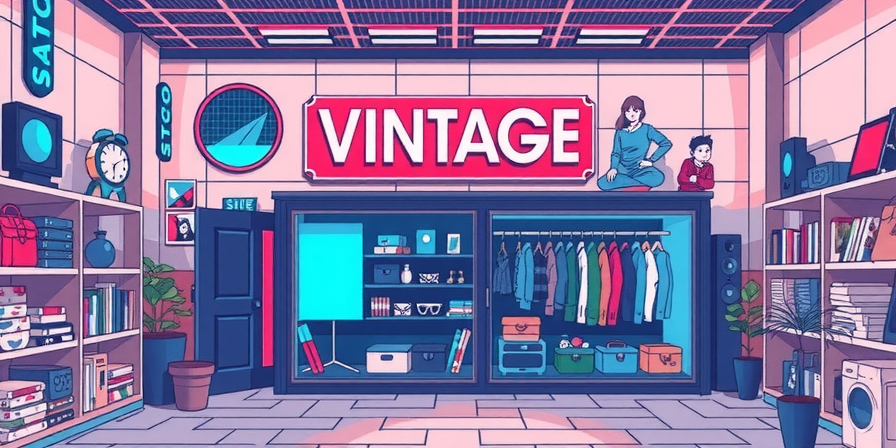
Imagine a World Where Your Vintage Store Has No Inventory
Picture this: You run a thriving vintage store, but you're drowning in inventory costs. You've got racks of clothes, shelves of trinkets, and boxes of memorabilia taking up space in your store and your mind. Every time you buy new stock, you're risking money on items that might not sell. Sound familiar?
Now, imagine a different scenario. You have a vintage store, but you don't keep any inventory. Instead, when a customer places an order, you simply contact your supplier, who ships the product directly to the customer. No inventory, no storage costs, no wasted space. This is the power of dropshipping.
The Benefits of Dropshipping for Vintage Products
Dropshipping can be a game-changer for vintage businesses. Here's why:
Reduced Overhead Costs: With dropshipping, you don't have to worry about storing, packing, or shipping products. This means you can focus on what you do best: curating unique vintage items and providing excellent customer service.
Increased Profit Margins: Since you're not spending money on inventory, you can price your products competitively while still maintaining a healthy profit margin.
Flexibility and Scalability: Dropshipping allows you to test new products and markets without the risk of unsold inventory. You can easily scale your business up or down based on demand.
How to Get Started with Dropshipping Vintage Products
If you're ready to dive into the world of dropshipping, here are some steps to get you started:
Find a Reliable Supplier: Look for suppliers who specialize in vintage products. Websites like Alibaba, Doba, and SaleHoo can be great places to start.
Choose Your Platform: Decide where you want to sell your products. Amazon, eBay, and Etsy are popular choices, but you can also create your own e-commerce website using platforms like Shopify or WooCommerce.
Set Up Your Store: Once you've chosen your platform, set up your store with high-quality product images and detailed descriptions. Make sure to highlight the unique features of each vintage item.
Market Your Store: Use social media, email marketing, and SEO to drive traffic to your store. Consider partnering with influencers or bloggers who specialize in vintage fashion or decor.
Lessons Learned
From our thought experiment, we've learned that dropshipping can be a powerful tool for vintage businesses. By eliminating the need for inventory, you can reduce overhead costs, increase profit margins, and gain the flexibility to test new products and markets.
However, it's important to remember that dropshipping is not a magic bullet. It requires careful planning, reliable suppliers, and effective marketing strategies. But with the right approach, dropshipping can help you build a successful and sustainable vintage business.
So, why not give it a try? Your future self (and your wallet) will thank you.
"The only way to do great work is to love what you do. If you haven't found it yet, keep looking. Don't settle." - Steve Jobs
In the world of vintage products, dropshipping might just be the love you've been looking for.