Feb 25, 2025
Balancing Customer Feedback and Product Vision in Development
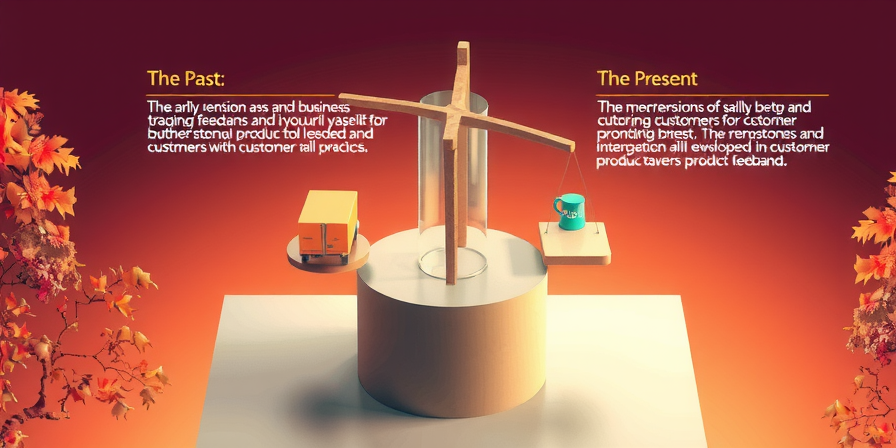
The Past: Ignoring Customer Feedback
In the early days of business, many companies operated in a vacuum. They believed they knew what was best for their customers and developed products based on internal ideas and assumptions. This approach often led to products that missed the mark, as businesses failed to understand their customers' true needs and preferences.
For example, consider the case of a company that developed a complex shipping software without seeking input from its users. The result was a product that was difficult to use and did not address the key pain points of its target audience. This led to low adoption rates and ultimately, a failed product.
The Present: The Power of Customer Feedback
Today, businesses understand the importance of customer feedback in product development. Companies actively seek input from their customers through surveys, interviews, and usability tests. This feedback helps them make informed decisions about what features to include, what to improve, and what to eliminate.
For instance, a logistics company might use customer feedback to identify the need for a more user-friendly interface in their tracking system. By incorporating this feedback, they can develop a product that better meets the needs of their customers, leading to higher satisfaction and adoption rates.
However, incorporating customer feedback is not without its challenges. Businesses must balance the need to meet customer expectations with their own vision and strategic goals. This can lead to tensions and trade-offs that must be carefully managed.
The Future: Striking the Right Balance
Looking ahead, the key to successful product development will be striking the right balance between customer feedback and internal vision. Companies must be open to feedback and willing to make changes based on what they learn. However, they must also stay true to their strategic goals and not let customer feedback dictate every decision.
One way to achieve this balance is to use a structured approach to feedback analysis. This might involve categorizing feedback into different types (e.g., feature requests, usability issues, bug reports) and prioritizing them based on their impact and feasibility. By doing so, businesses can ensure that they are addressing the most important issues while still staying true to their vision.
Conclusion
In conclusion, the role of customer feedback in product development has evolved significantly over time. While early businesses often ignored feedback, today's companies understand its importance. However, they must also balance feedback with their own vision and strategic goals. By striking the right balance, businesses can develop products that meet customer needs while still achieving their strategic objectives.
"The customer is always right, but the customer doesn't always know what they want. It's our job to listen, understand, and then deliver what they truly need."
By keeping this quote in mind, businesses can navigate the tensions and trade-offs of incorporating customer feedback into their product development process.